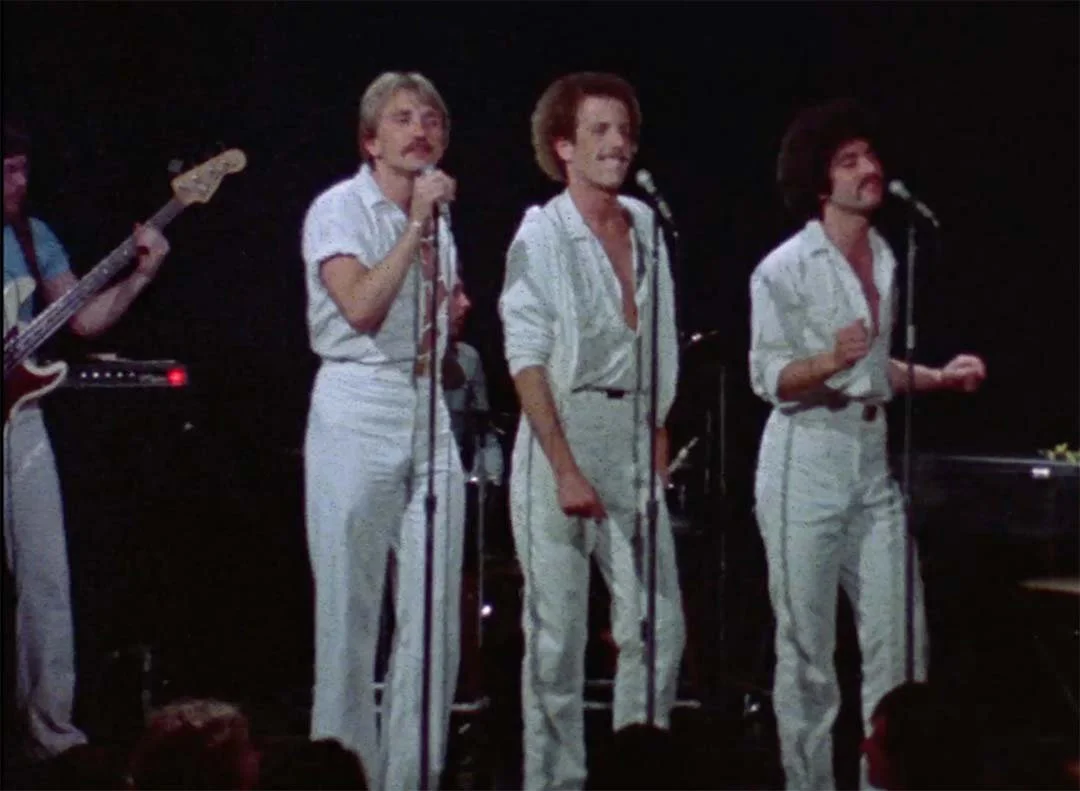
Word Is Out
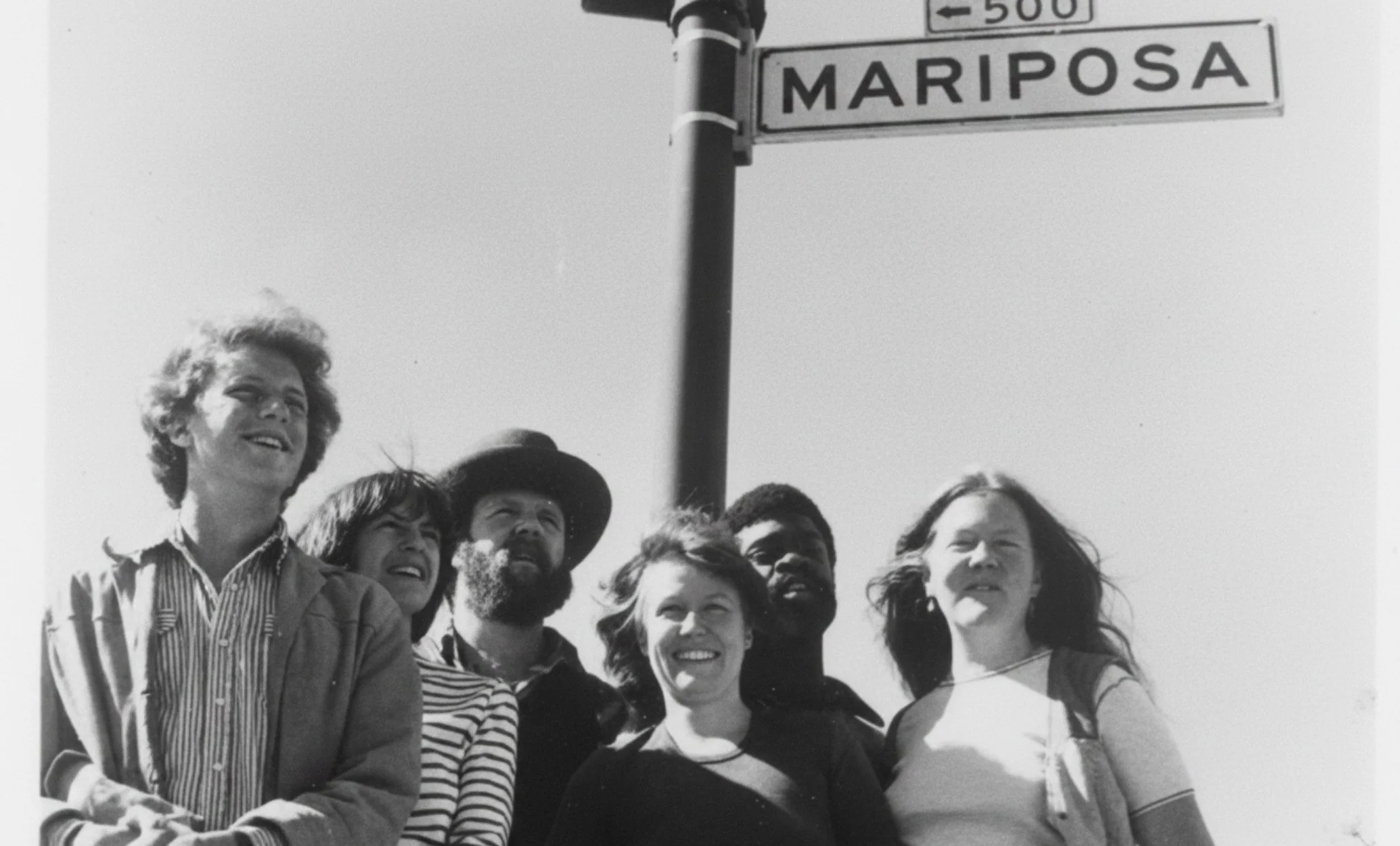
Word Is Out: Stories of Some of Our Lives is a landmark 1977 documentary conceived and produced by filmmaker Peter Adair and directed collectively by the Mariposa Film Group: Peter Adair, Nancy Adair, Andrew Brown, Rob Epstein, Lucy Massie Phenix, and Veronica Selver. Widely recognized as the first feature-length documentary about lesbian and gay identity made by queer filmmakers themselves, the film emerged at a pivotal moment in American cultural history, when mainstream portrayals of gay people were still dominated by stereotypes, ridicule, criminalization, and medicalized notions of deviance.
Peter Adair later explained that one of the central problems facing gay people in the early 1970s was invisibility. Public understanding of homosexuality was largely shaped by outsiders, and those distorted images often became internalized by gay people themselves. Adair described a generation growing up with few positive reflections of their lives beyond secrecy, shame, or caricature. Word Is Out was conceived as a direct response to that condition. Its underlying question was both simple and radical: “Who are we?”
The film took more than five years to complete and evolved dramatically during production. The original concept focused on a small number of interview subjects intended to serve as positive role models. But after early test screenings, the filmmakers realized that no single image or type of person could adequately represent gay and lesbian experience. The project expanded into a much broader portrait of a diverse community, requiring years of additional travel, filming, fundraising, and editing.
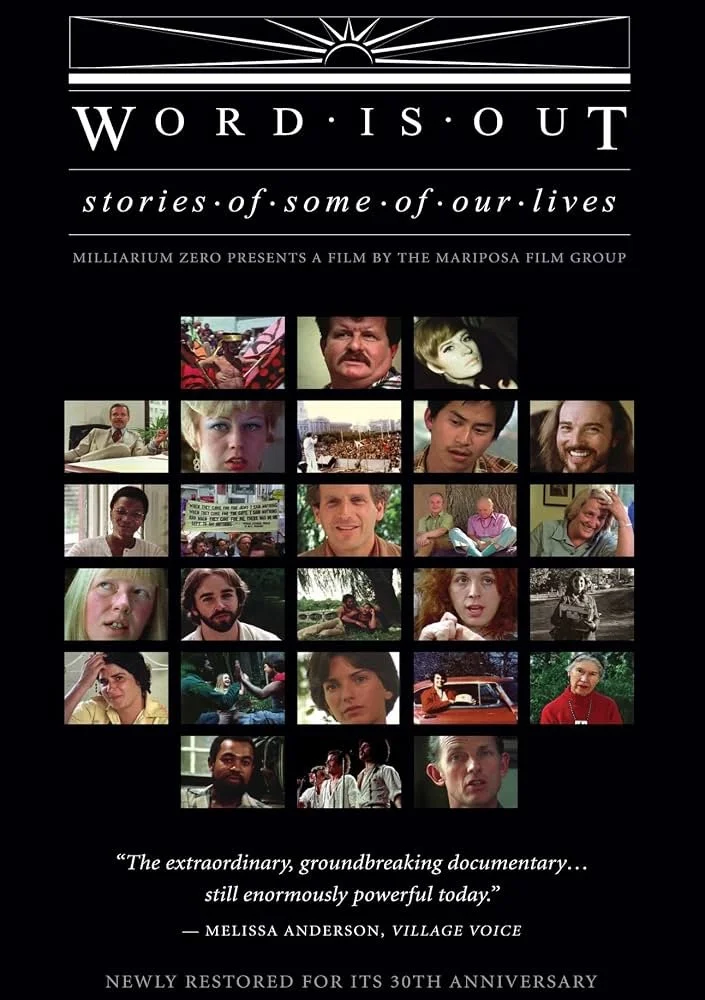
The filmmakers conducted more than 200 research interviews across the United States before selecting the final participants. The finished film intercuts interviews with 26 gay men and lesbians ranging in age from 18 to 77. They came from locations including San Francisco, Boston, New Mexico, and small towns in the Midwest and South. Their backgrounds varied widely: conservative businessmen, students, housewives, activists, artists, professors, drag performers, religious believers, and working-class laborers. The cast included writer Elsa Gidlow, feminist professor Sally Gearhart, gay-rights activist Harry Hay, inventor John Burnside, actress Pat Bond, and experimental filmmaker Nathaniel Dorsky.
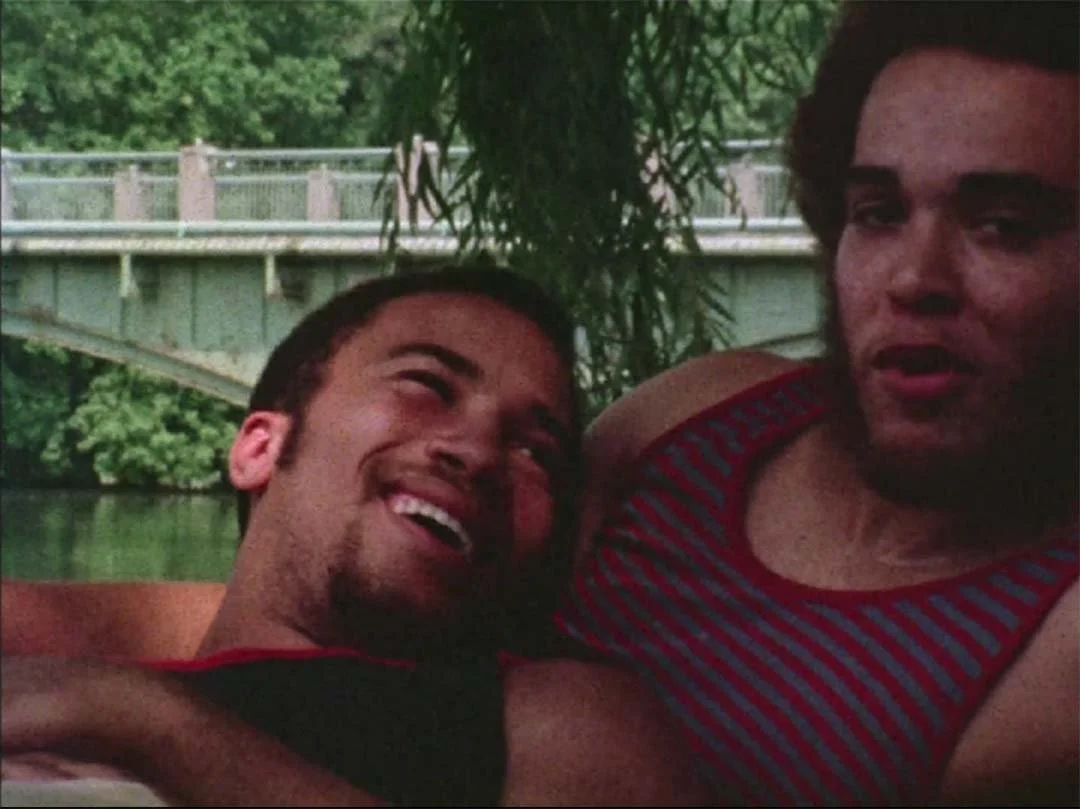
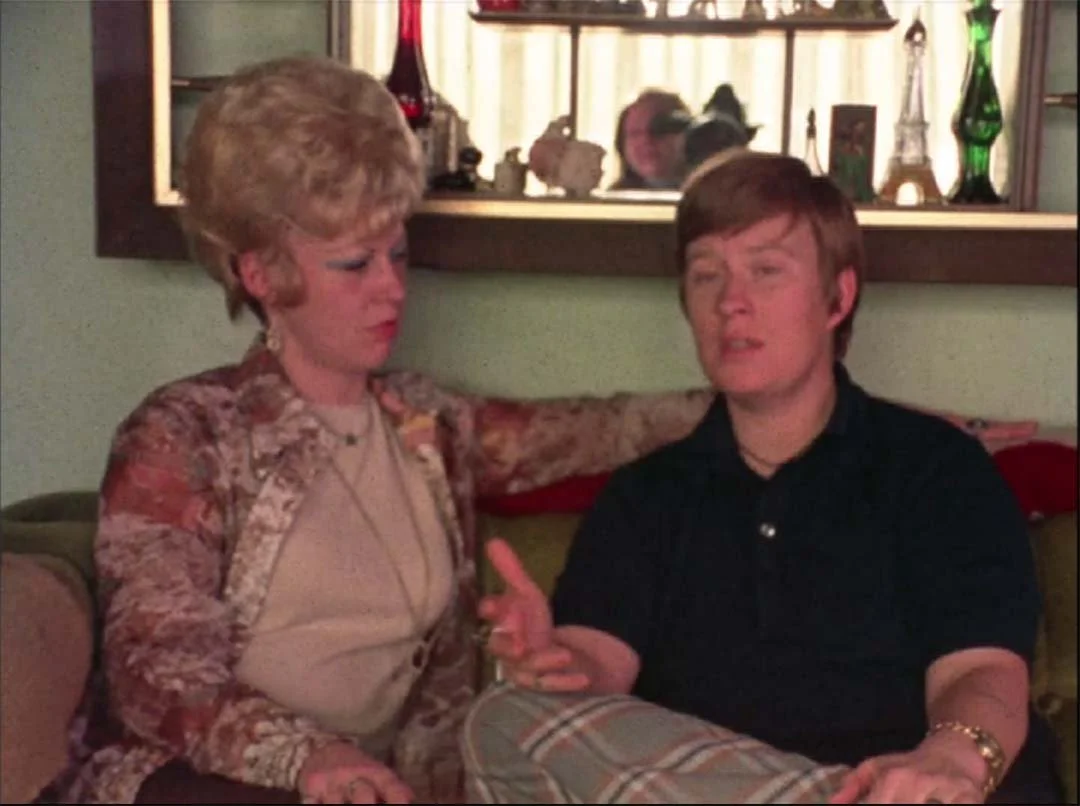
Participants spoke openly about coming out, family rejection, romantic relationships, loneliness, police harassment, discrimination, secrecy, and the fear of social exposure. Many described the emotional burden of living double lives or growing up without language to describe themselves. Others spoke about discovering community and political consciousness through the emerging gay-rights movement. What distinguished the film was not simply the content of these testimonies, but the manner in which they were presented.
At a time when documentaries about marginalized communities were typically framed through outside experts, sociologists, reporters, or narrators explaining the “problem” to viewers, Peter Adair and the Mariposa Film Group rejected authoritative commentary almost entirely. Instead, the participants represented themselves directly through personal testimony. The filmmakers trusted audiences to interpret meaning on their own rather than instructing them what to think. This refusal of imposed analysis created a level of intimacy, empathy, and complexity rarely seen in documentary film at the time.
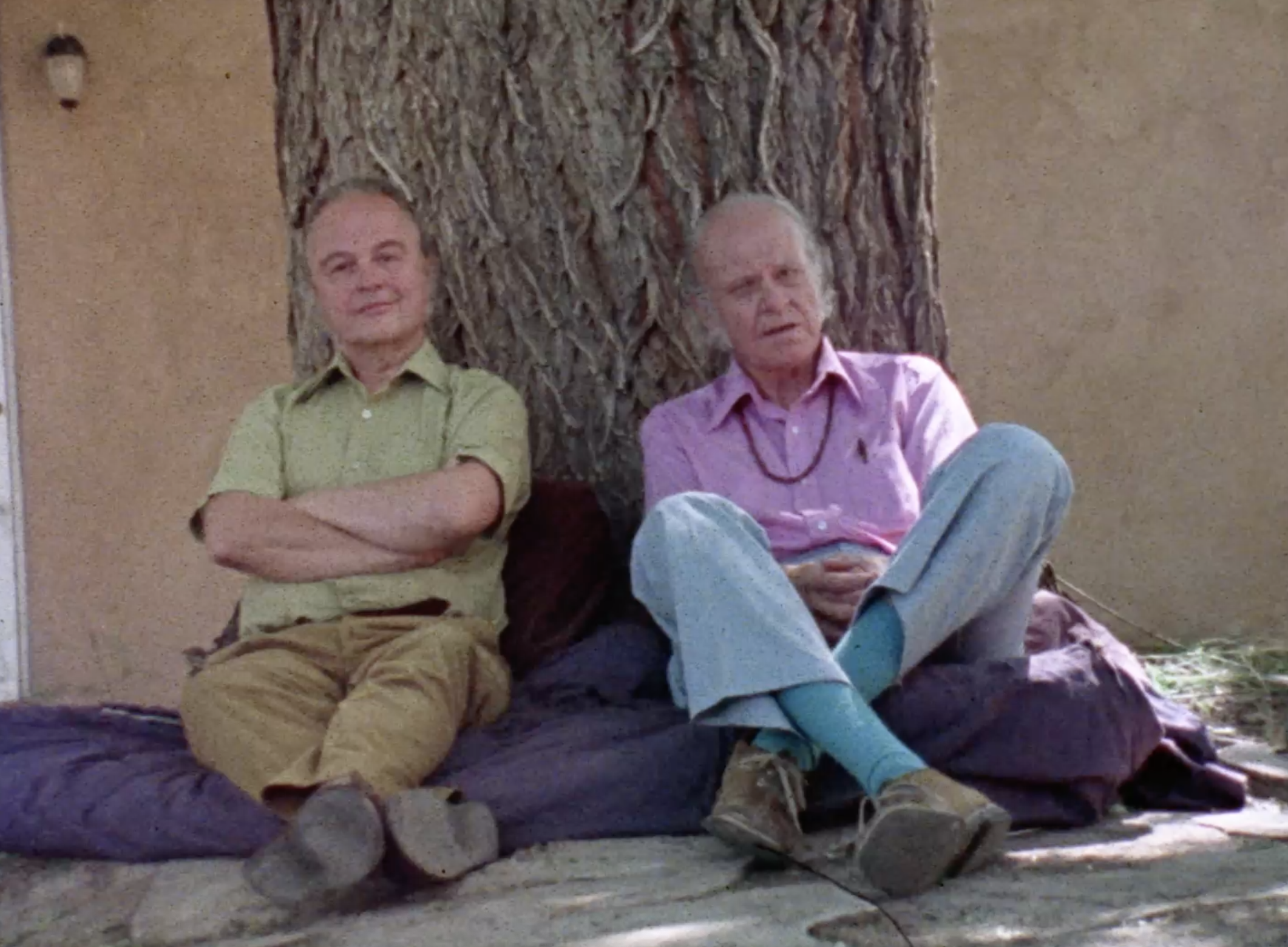
The structure of the film was also formally innovative. Rather than presenting isolated interviews one at a time, Word Is Out intercut stories and emotional themes across multiple people, creating a sense of collective identity emerging from many distinct experiences. The editing emphasized resonance and contrast rather than argument, allowing viewers to experience both the diversity and shared emotional realities of lesbian and gay life. Peter Adair believed this approach encouraged viewers to actively engage with the material rather than passively consume it.
The collaborative structure of the production itself reflected the filmmakers’ political ideals. As the project expanded, the group adopted a collective creative process that distributed authorship and decision-making among the six directors. Although this shift was personally difficult for Peter Adair, who had originated the project, the collective model reflected the broader egalitarian values emerging within liberation movements of the 1970s.
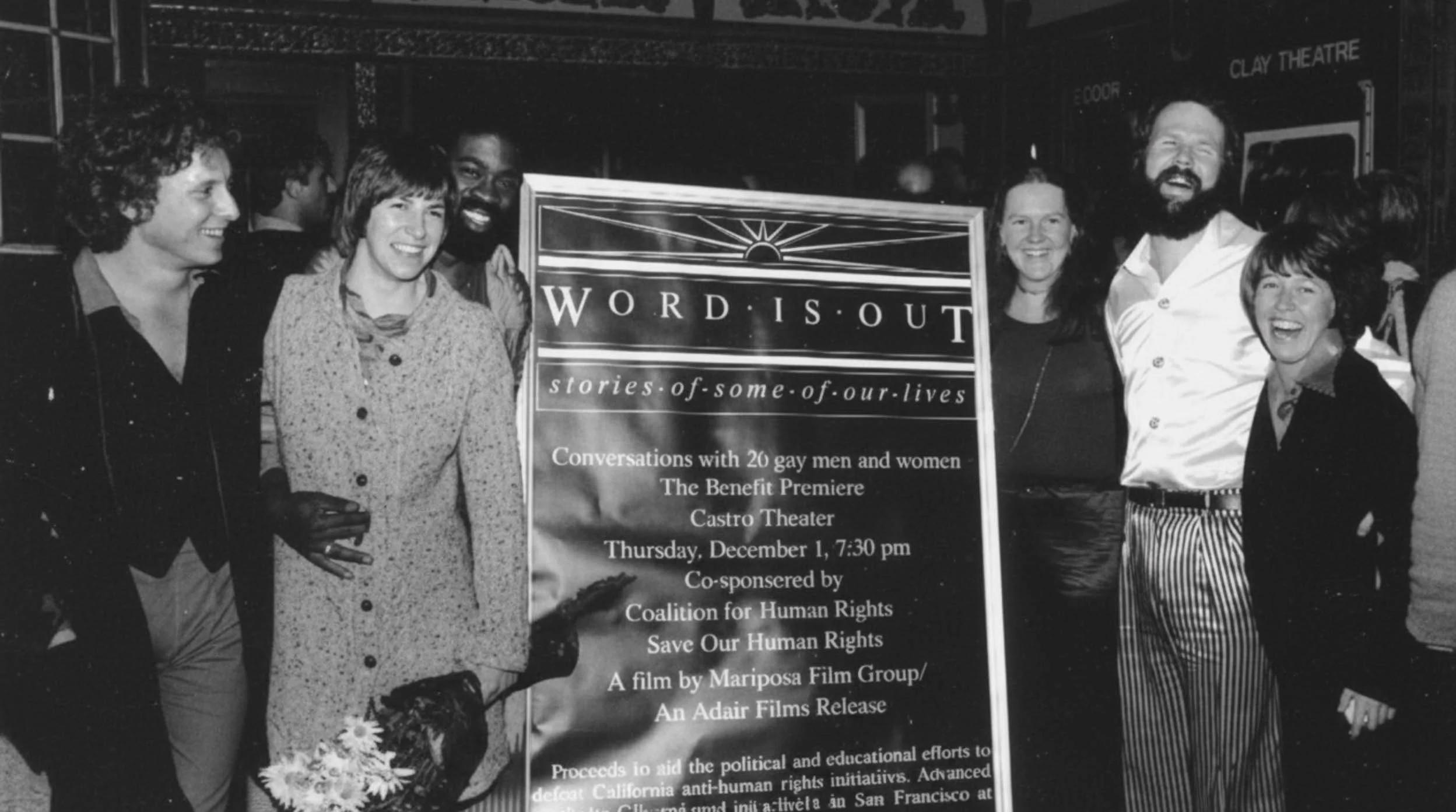
The film premiered in November 1977 at San Francisco’s Castro Theatre during a period of rising backlash against gay rights. Its release coincided with Anita Bryant’s anti-gay “Save Our Children” campaign and other efforts to repeal anti-discrimination protections around the country. In that climate, the visibility created by Word Is Out carried unusual emotional and political force. For many viewers, especially those living in isolation far from urban gay communities, the film offered the first opportunity to see openly gay people portrayed with honesty, dignity, humor, and emotional depth.
The response was immediate and profound. After the film aired nationally on PBS in 1978, thousands of viewers wrote letters to the Mariposa Film Group describing how deeply the film had affected them. Many said the film helped them come out, reduced their feelings of isolation, or changed how they understood themselves. Production assistant Janet Cole later recalled letters arriving from people in places like Idaho, Utah, and Kansas who wrote that seeing the film had convinced them they were not alone. Film historian and activist Vito Russo famously declared that “the silence of gay people on the screen has been broken.”
The film also had a significant impact on heterosexual audiences by presenting gay lives as emotionally recognizable and socially ordinary at a time when mainstream culture largely depicted homosexuality as pathological or threatening. In a 1996 obituary for Peter Adair, New York Times writer David Dunlap observed that Word Is Out appeared at a moment when representations of homosexuals as everyday human beings were exceedingly rare.
Over time, the film came to be recognized not only as a milestone in LGBTQ history but also as a major achievement in documentary filmmaking. Its commitment to self-representation, its rejection of authoritative narration, and its trust in audience interpretation anticipated broader shifts in documentary form that became increasingly influential in later decades.
For the film’s 30th anniversary, the UCLA Film & Television Archive and Outfest collaborated on a full restoration after it became clear that no viable print of the original film remained. The restored version premiered in 2008 at Frameline at San Francisco’s Castro Theatre. In 2010, Milestone Films released a remastered DVD edition featuring updates on participants and filmmakers, along with a tribute to Peter Adair, who died of AIDS-related illness in 1996.
In 2022, Word Is Out was selected for preservation in the United States National Film Registry by the Library of Congress as “culturally, historically, or aesthetically significant,” recognizing both its artistic innovation and its transformative role in American cultural history.
This information is largely based on the Word Is Out page of Wikipedia.
Read a retrospective review of Word Is Out from The New Yorker.