
The Full Story
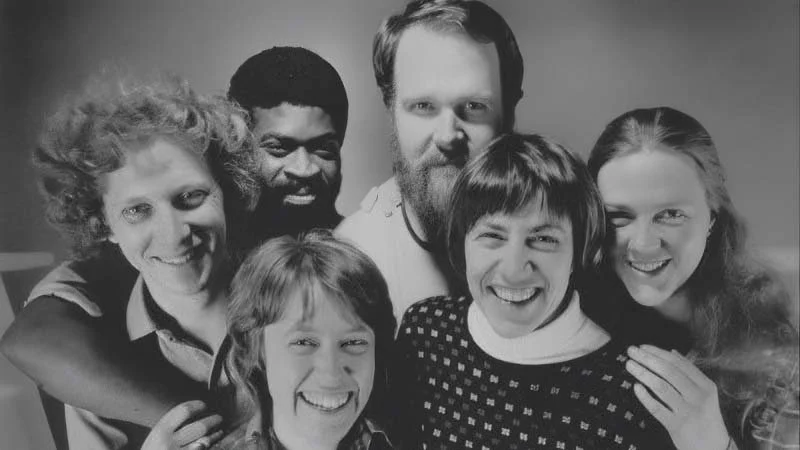
How do you make a community visible to itself ?
PART ONE
The Peter Adair Rebellion opens in the early 1970s, after Peter moved to San Francisco along with thousands of other gays. He began assembling a small team with a simple but powerful idea: interview a handful of lesbians and gay men who could serve as positive role models. At the time, mainstream portrayals of queer life were dominated by shame, pathology, and caricature. Peter believed something more honest was possible and that audiences, given the chance, could be trusted to draw their own conclusions. He felt the film could offer those in the closet the sense that they were not alone.
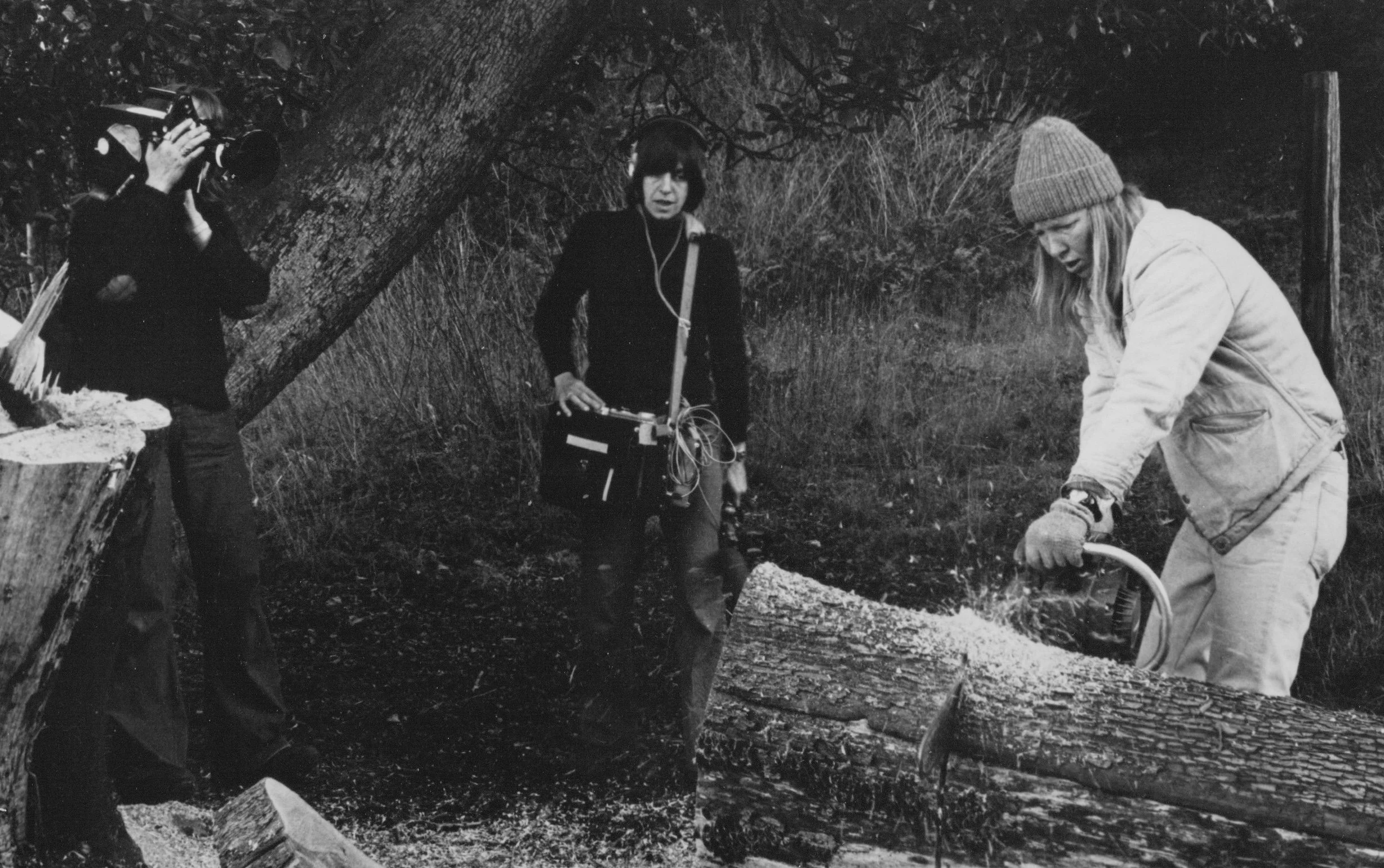
Peter’s original vision for Word Is Out (1977) grew quickly. Early test screenings made clear that no small group of individuals could carry the weight of representing an entire identity. So the team spread out across the country in search of diverse subjects, and the project grew into something far more ambitious: a portrait of a community that had never before been allowed to speak for itself. They hoped to help create a shared identity where almost none yet existed so that queer viewers would realize they were not alone.
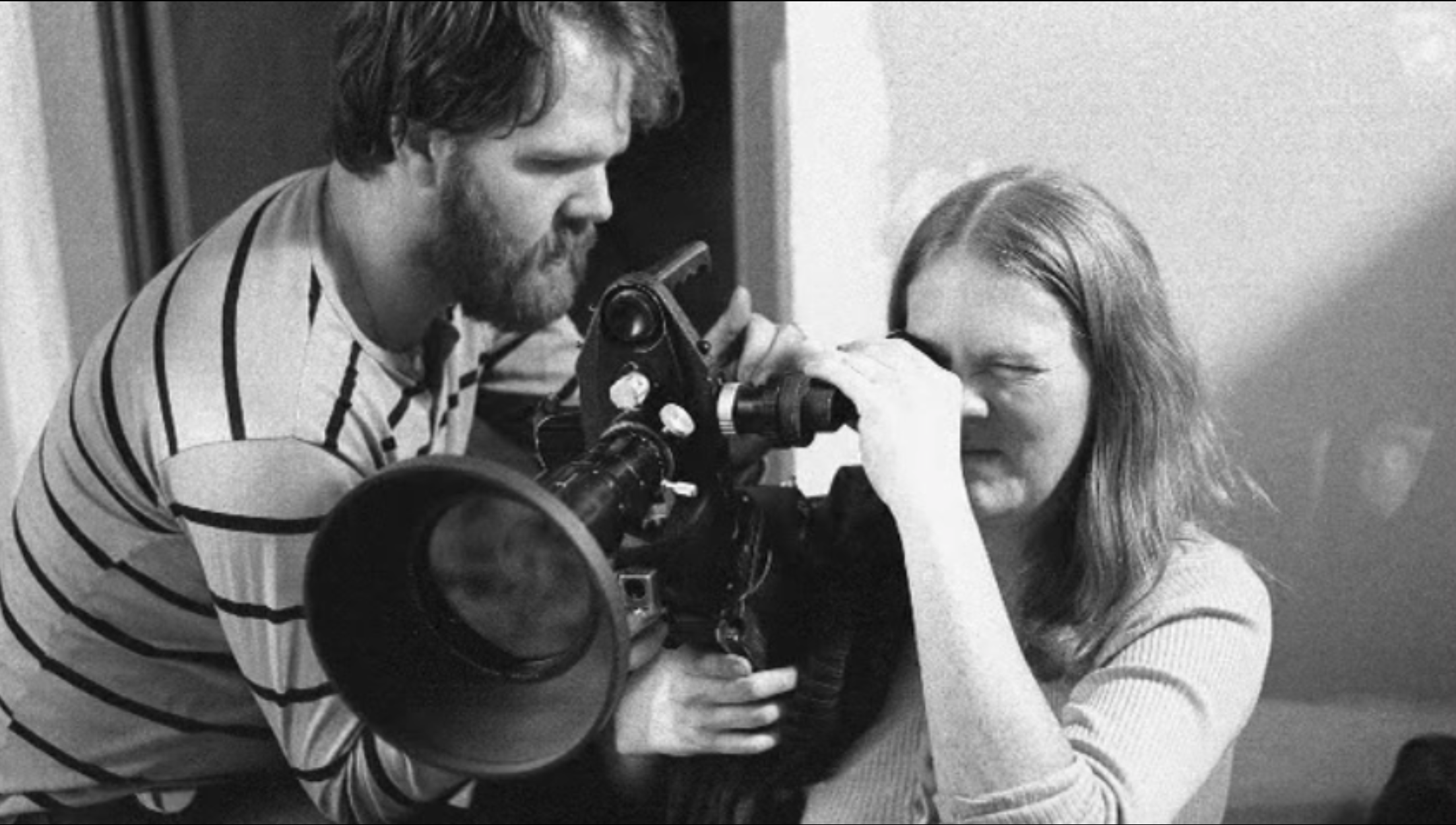
The central problem facing gay people was invisibility. Public understanding was shaped by outsiders, and those distorted images had been internalized by gay people themselves.
▴
Sharing Control
As the project expanded, the other filmmakers took on greater responsibility and proposed that Peter to share creative control. He agreed they would co-direct Word Is Out (1977) as a collective, mirroring the egalitarian ideals of the liberation movements surrounding them.
The decision built camaraderie among the team and rapport with the interview subjects, but it was challenging for Peter who had found filmmaking the place where he felt most secure and in control. It would resurface in surprising ways in the years that followed.
▴
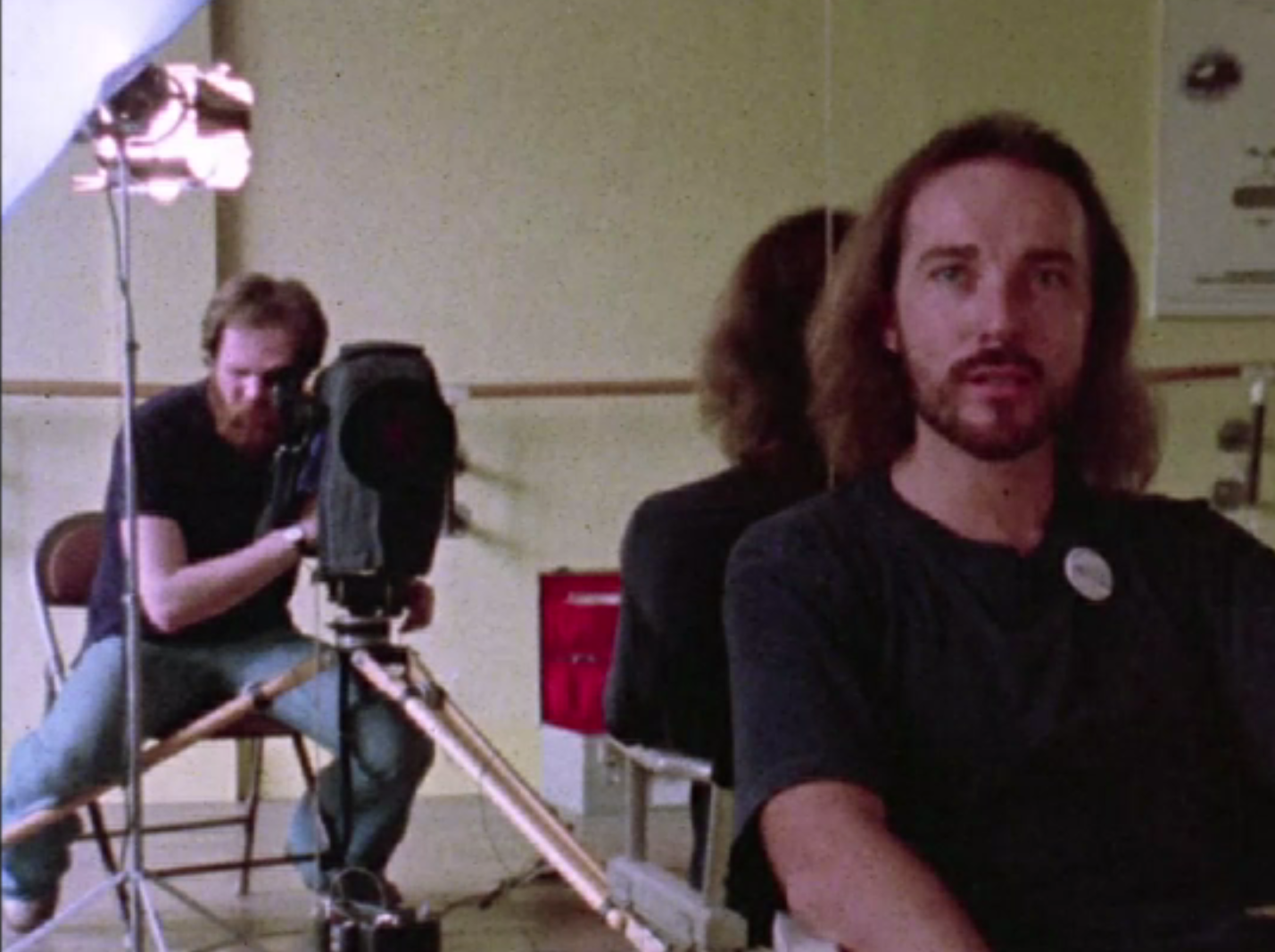
Word Is Out (1977) intercuts testimony from 26 gay men and lesbians, ranging in age from 18 to 77, drawn from across the United States. It aired nationally on PBS in 1978 and generated thousands of letters from viewers, many describing it as the first time they had seen themselves honestly reflected on screen. It is now preserved in the Library of Congress in recognition of its place as a landmark of American documentary filmmaking and of cultural history.
Peter wanted to help create a shared sense of community and the film was released at a moment when anti-queer political forces were mobilizing nationwide. A few years later, that common identity would become a lifeline.
Where did those convictions come from?
PART TWO
After establishing what Peter helped achieve with Word Is Out, The Peter Adair Rebellion moves backward to trace how he became the person capable of imagining it.
Holy Ghost People and the ethics of stepping back
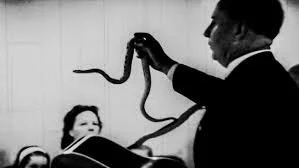
His first film, Holy Ghost People (1967), was a cinéma vérité portrait of snake-handling Evangelical Christians in Appalachia. At a time when documentaries about outsider communities relied on authoritative narrators to explain their subjects to viewers, Peter stepped back and let people speak for themselves. It was a formal choice rooted in a genuine ethical conviction, and it announced the principle that would guide everything he made afterward.
▴
Building on his father’s ideas
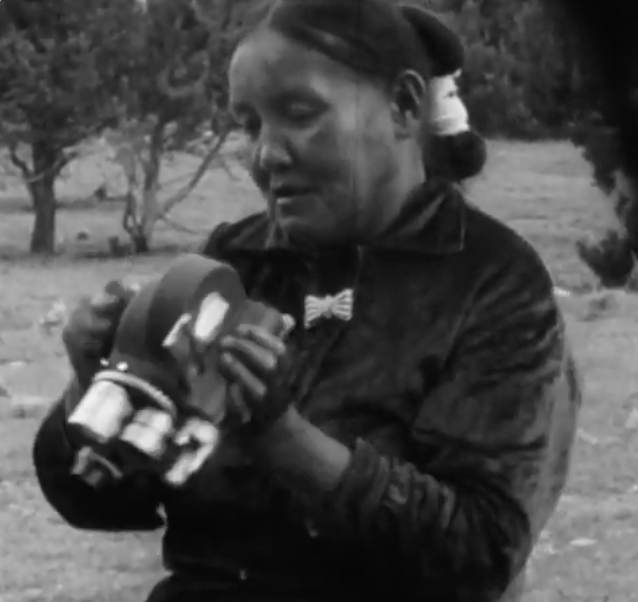
Peter’s attitude was greatly influenced by his father, an anthropologist who believed that communities should not merely be observed, they should control how they were seen. In 1966, while Peter was making Holy Ghost People, his father taught a Navajo group to film their own lives.
The idea ran against the grain in an era when mainstream institutions held nearly complete power over how marginalized people were portrayed, and it became key to how Peter understood his own work.
▴
Enabling subjects to speak for themselves and viewers to think for themselves were two important threads of the social change taking place between the 1960’s and the 1990’s, away from top-down authority towards individual freedom. Peter was not simply shaped by this cultural shift. His films helped accelerate it.
▴
The outsider looking in
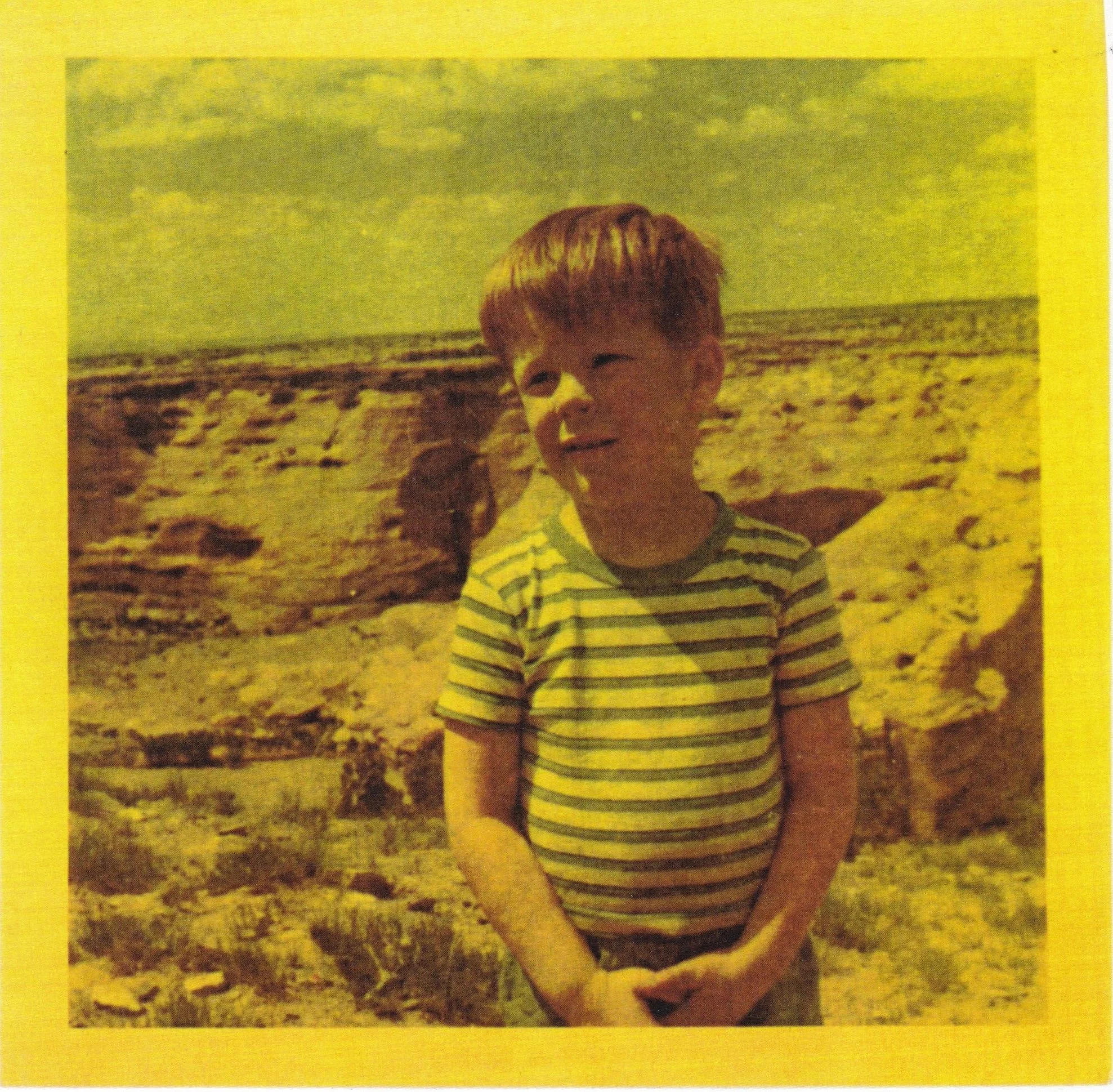
Peter grew up socially isolated on Native American reservations in the Southwest, one of the only white students in grade school. In high school he was excluded because he was effeminate. By the time he began grappling with his own sexuality in college, that persistent sense of not quite belonging had deepened. The documentary form itself suited something in his temperament; it gave him the power to shape a film while remaining personally invisible within it.
The work also gave him a sense of control over his insecure world and became the center of his life. Although Peter had deep friendships, he didn’t allow anyone to encroach on the work itself.
A search for meaning and a change of course
PART THREE
The middle of the film follows Peter through a decade of restlessness and escalating ambition, and into the private struggles running beneath it.
▴
More power to the viewer
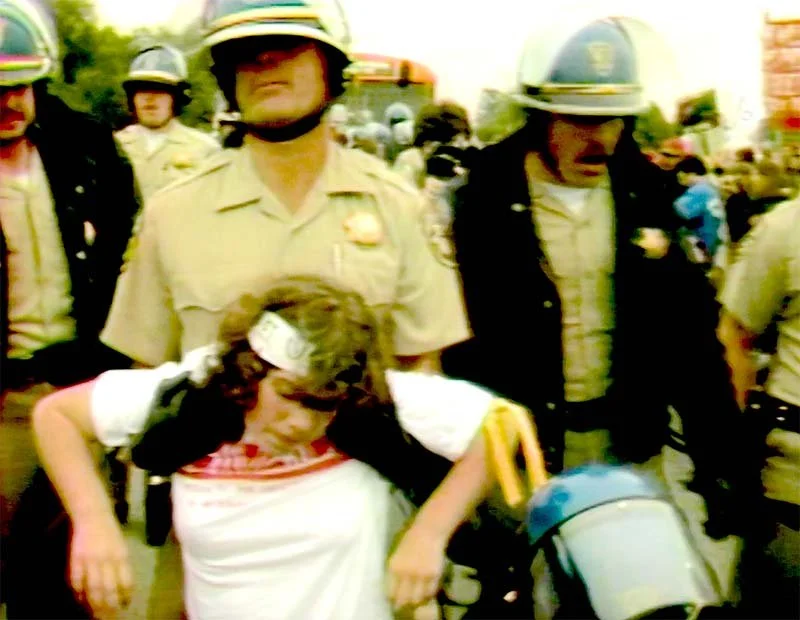
Still searching for new ways to challenge audiences, Peter made Some of These Stories Are True, a film that blurred the line between documentary and fiction and forced viewers to decide what was real. Peter continued experimenting with methods of placing responsibility on viewers, including Stopping History, a documentary about anti-nuclear activism.
▴
A turn inward
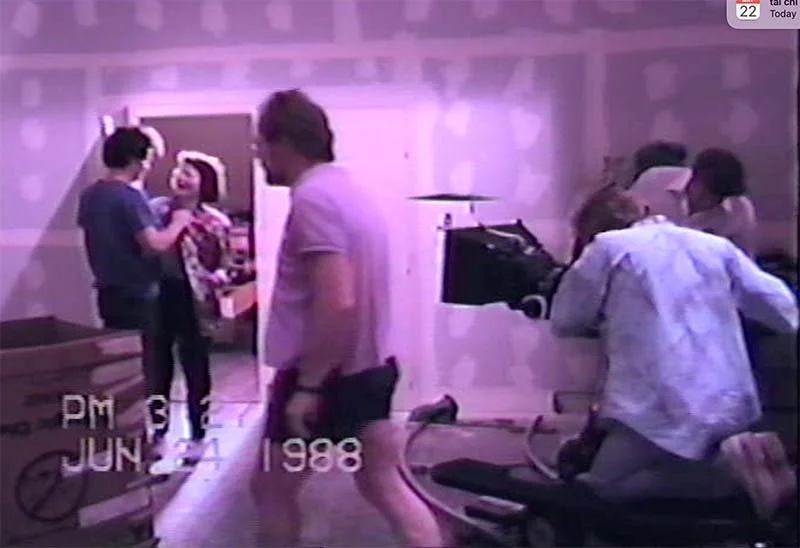
When AIDS struck, San Francisco was one of the cities that had the most cases. Peter made videotapes to help people cope with the epidemic. Then he tested positive himself. Facing his own mortality, Peter felt a need to prove himself as an artist. He turned to fiction to break from the constraints of documentaries and be able to exert maximum creative control. Peter’s subject was a self-portrait of an artist caught between intimacy and ambition.
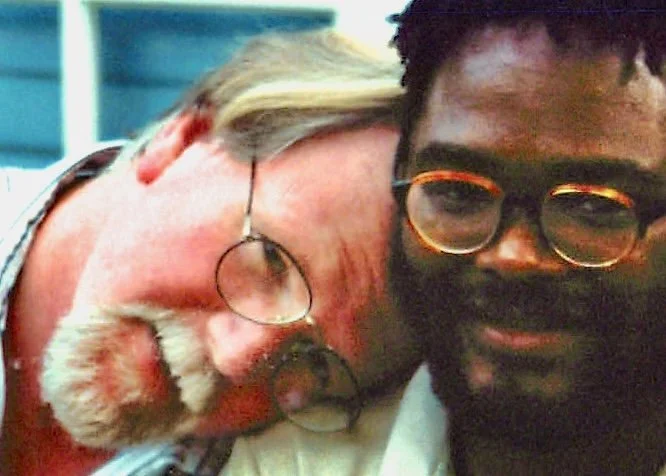
Peter’s effort fell short and he struggled to understand what mattered most. The project's collapse made him realize that needed more than the pursuit of artistic achievement. Soon afterward, he met his partner Rudy and began, for the first time, imagining a life with another person at its center.
How do private fear and grief become collective action?
PART FOUR
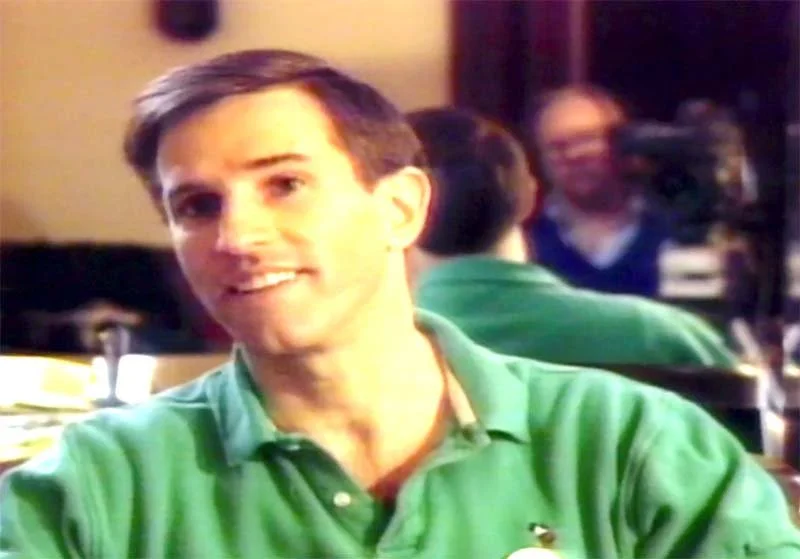
Having committed to Rudy and having stepped back from the need for pure artistic recognition, Peter made Absolutely Positive (1991) as a way of joining with others confronting the uncertain future he faced himself. In an extremely personal turn, he acknowledges his own HIV status in the film’s narration and at the end breaks the fourth wall, speaking directly to the viewer.
Peter’s shift mirrored something the broader queer community was being asked to do. The first response to AIDS for many people was fear and withdrawal. What transformed that individual focus into care and activism was the re-emergence of a shared sense of community. Through Word Is Out, Peter had helped build the very sense of community that was now sustaining others through the crisis. Making Absolutely Positive was his way of fully joining it.
▴
The unexpected result of Word Is Out
The fact that the identity that Word Is Out helped create included lesbians as well as gay men proved more consequential during the AIDS crisis than anyone could have anticipated. That sense of a shared community inspired many lesbians to move to the forefront of caregiving and activism even as the epidemic ravaged gay men. What had seemed like a cultural achievement turned out to be a survival mechanism.
▴
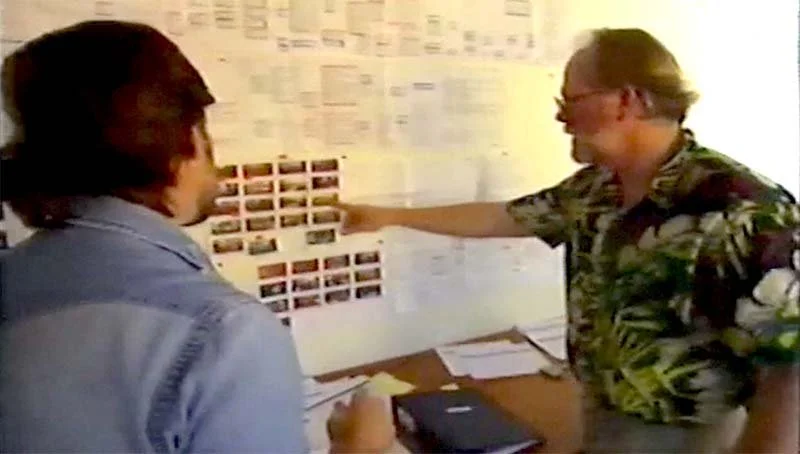
Peter feared he might not have much time left. Yet he launched one final experiment. The interactive drama In the First Degree gave viewers direct control over the story itself, carrying to its furthest point an idea that had shaped Peter’s work from the beginning: audiences should discover meaning for themselves. It was his final effort to increase the responsibility of the people watching his films.
▴
The late interview
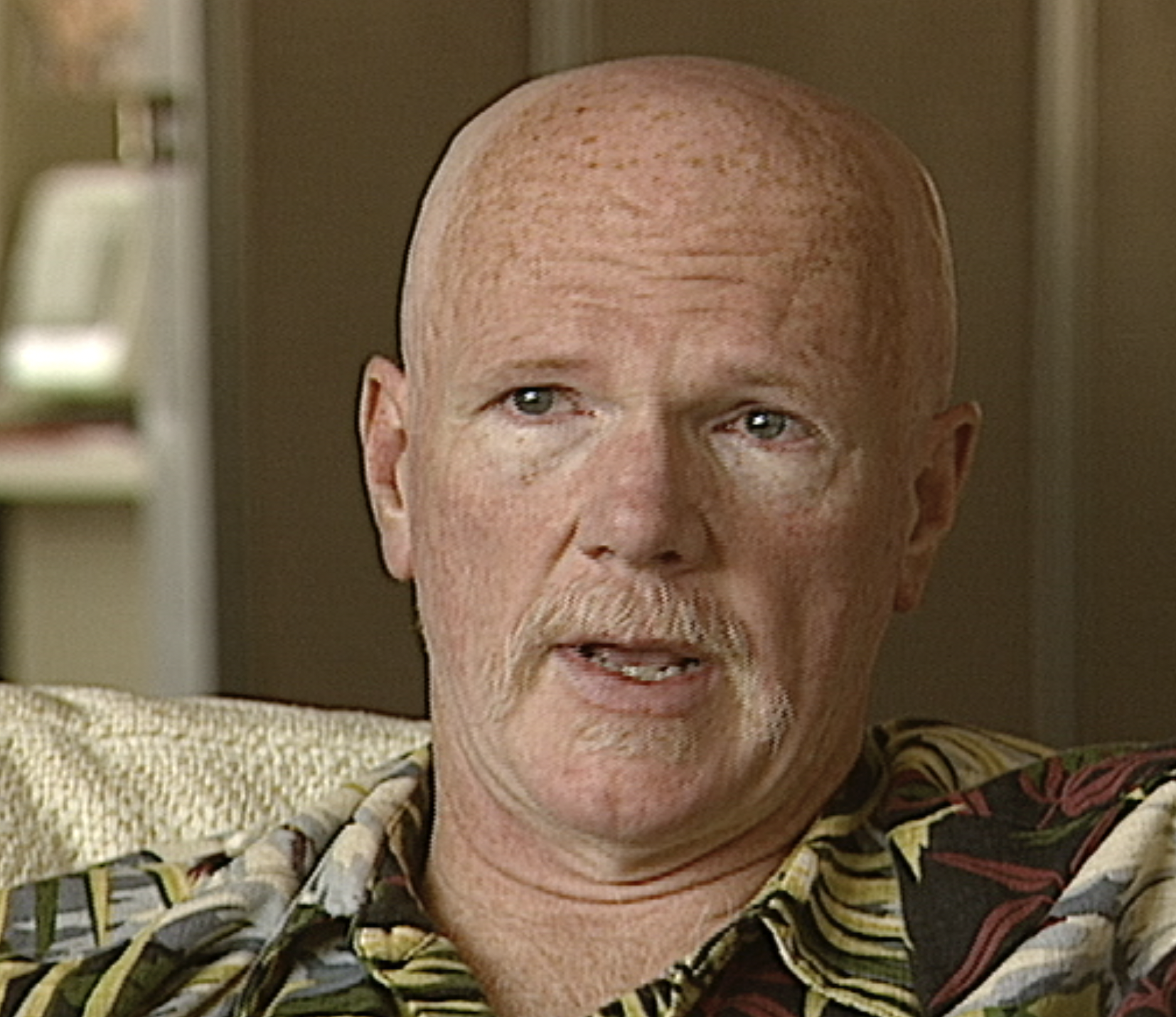
Near the end of the film, Peter is interviewed when he is visibly ill. His fear of losing his independence is long gone. A distinct shift in tone and focus from earlier interviews reveals the extent of his change. He is moved to tears as he describes how he and Rudy depend on each other for their happiness.
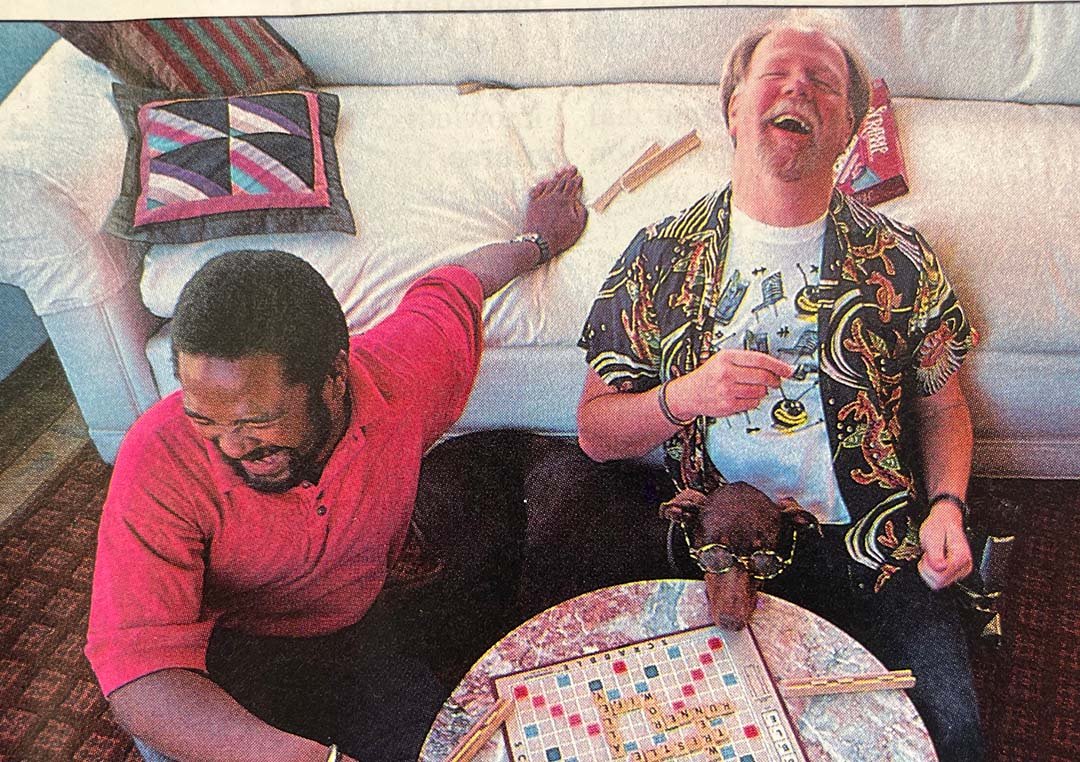
The person who spent his life making human connection possible for others had found it for himself.
Peter Adair died in 1996.
▴
A conversation across fifty years
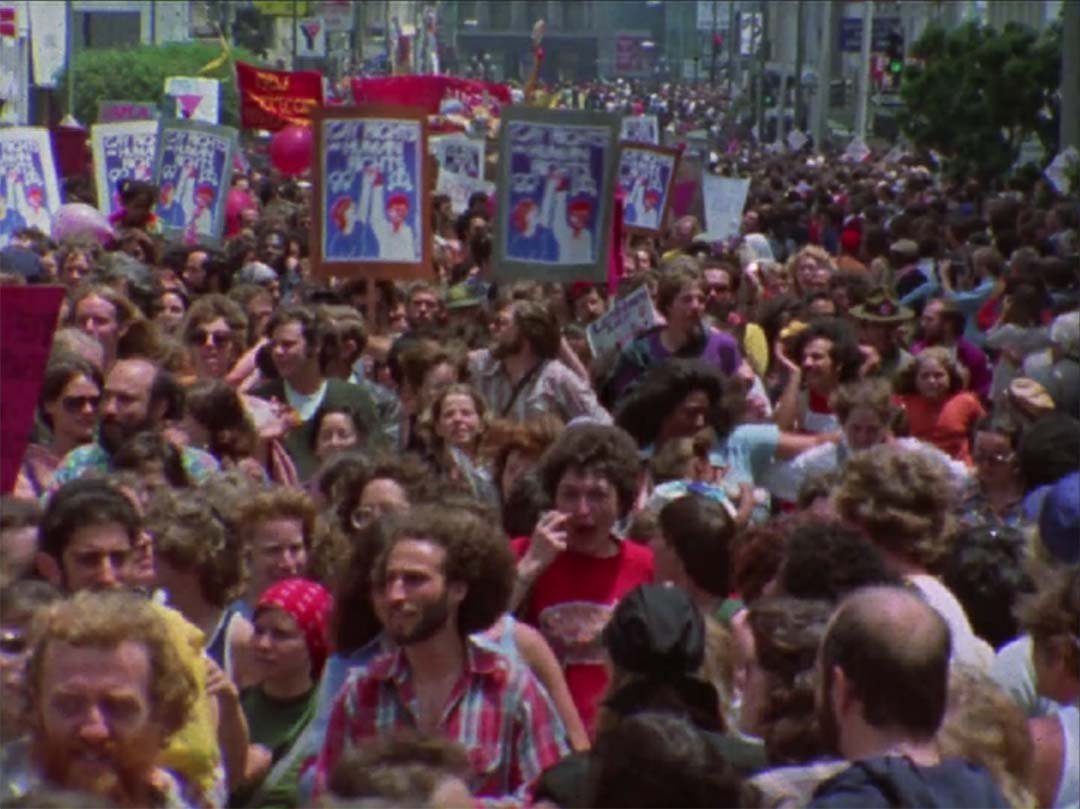
Interspersed through the film are unscripted responses from young queer activists watching Word Is Out and Absolutely Positive for the first time. Their reactions, unguarded, sometimes startled, sometimes moved, reveal how much has shifted over fifty years, and how much remains unresolved.
Support this film
The Peter Adair Rebellion is currently in production. To learn about how to help complete the film visit our Support page.