
About This Film
LOGLINE
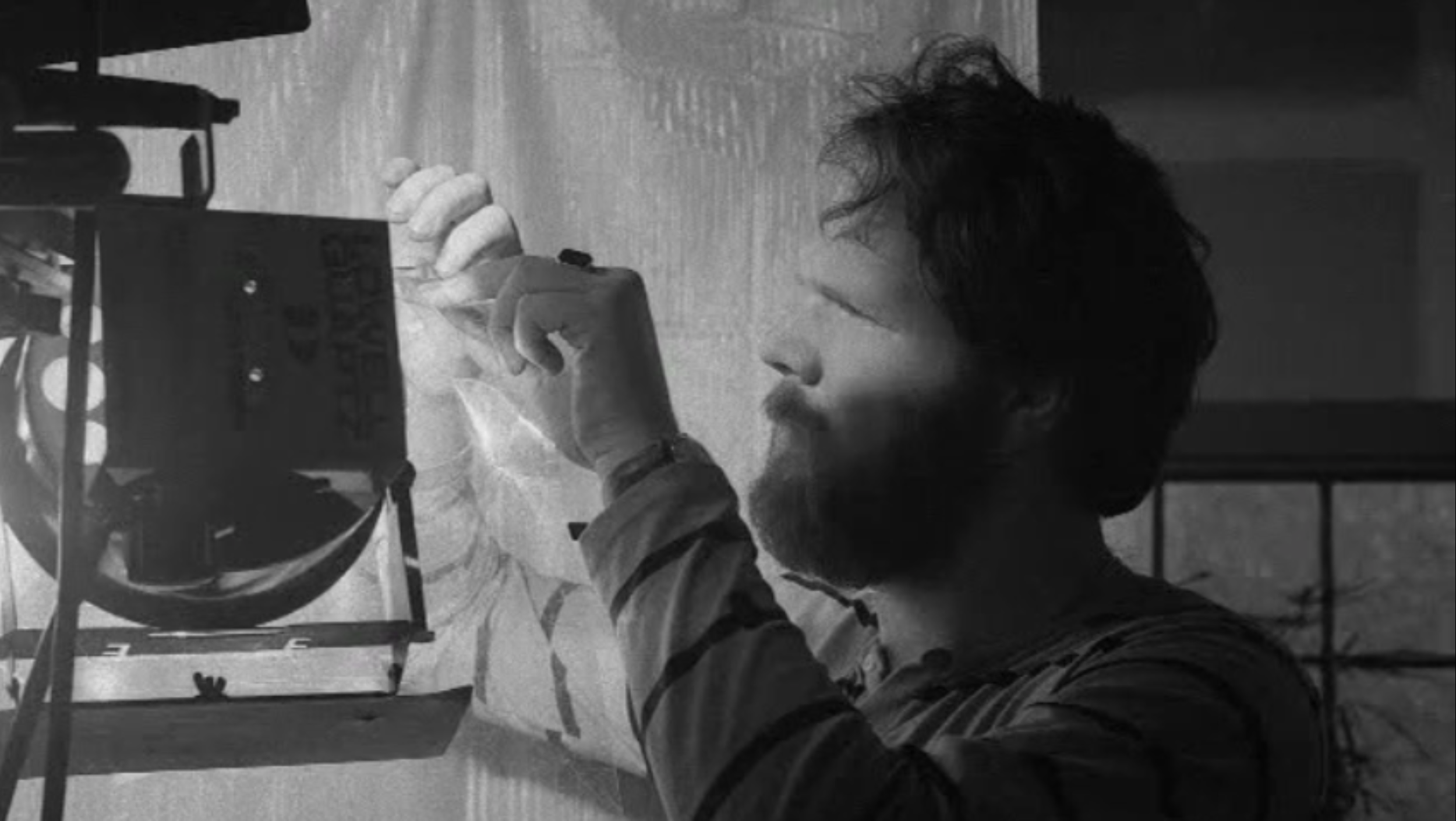
How a filmmaker helped a marginalized community claim its identity, and was transformed by his own struggle to claim his.
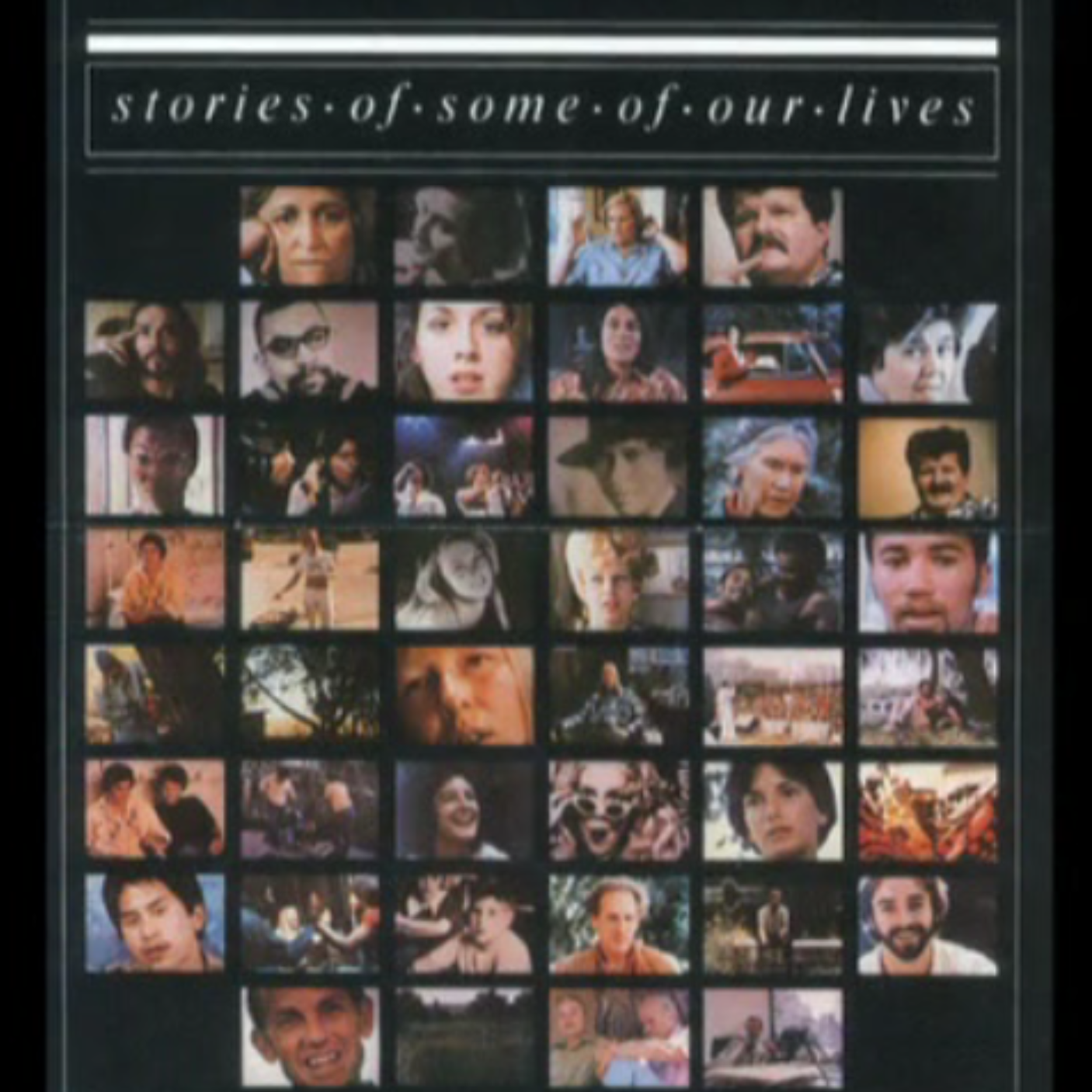
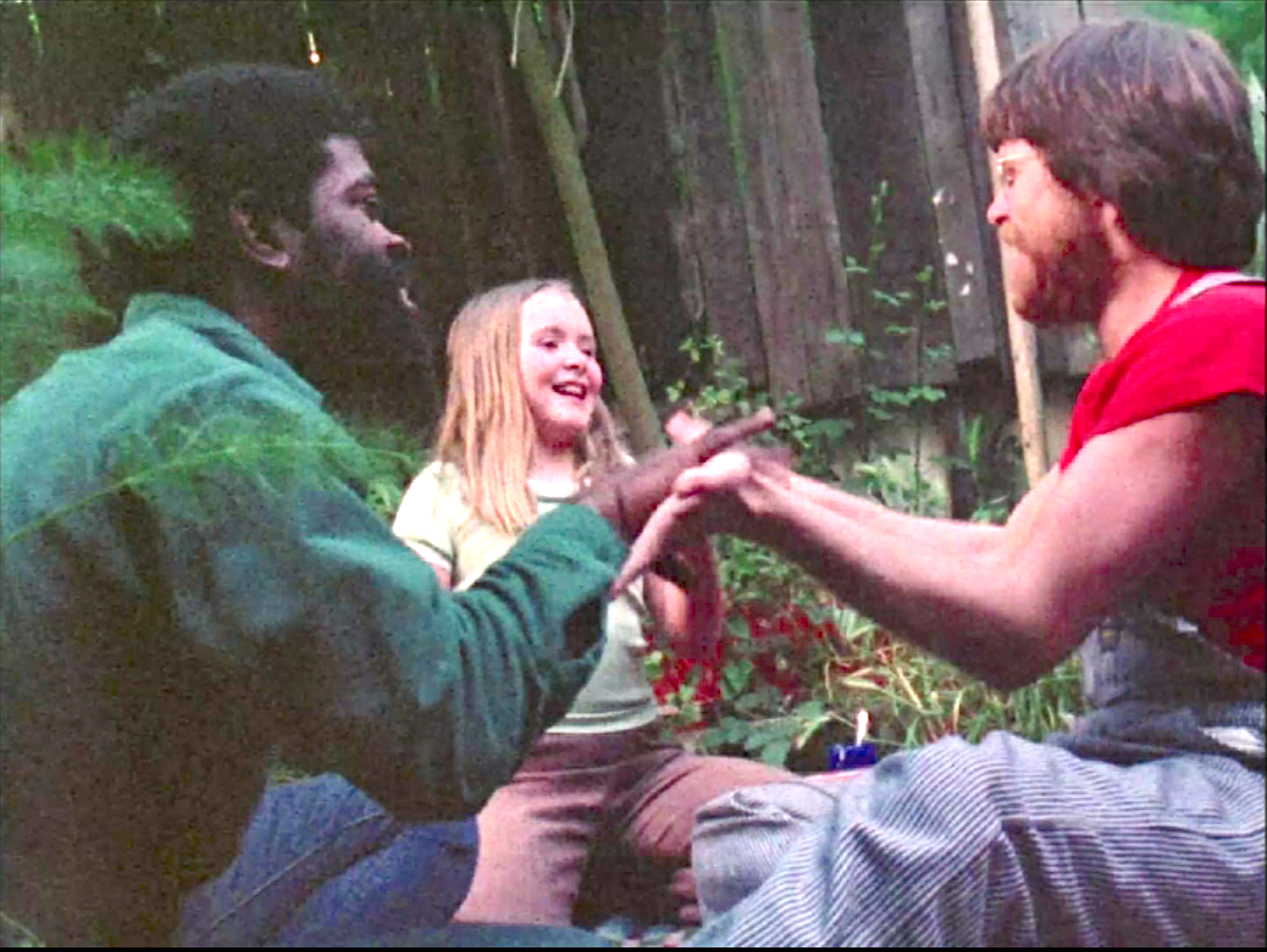
In the early 1970s, many lesbians and gay men could see themselves only through the shame and caricatures imposed by others. Peter Adair and the Mariposa Film Group set out to change that with Word Is Out (1977). The film trusted its subjects to speak for themselves and its viewers to discover the connections among their lives and with their own.
▴
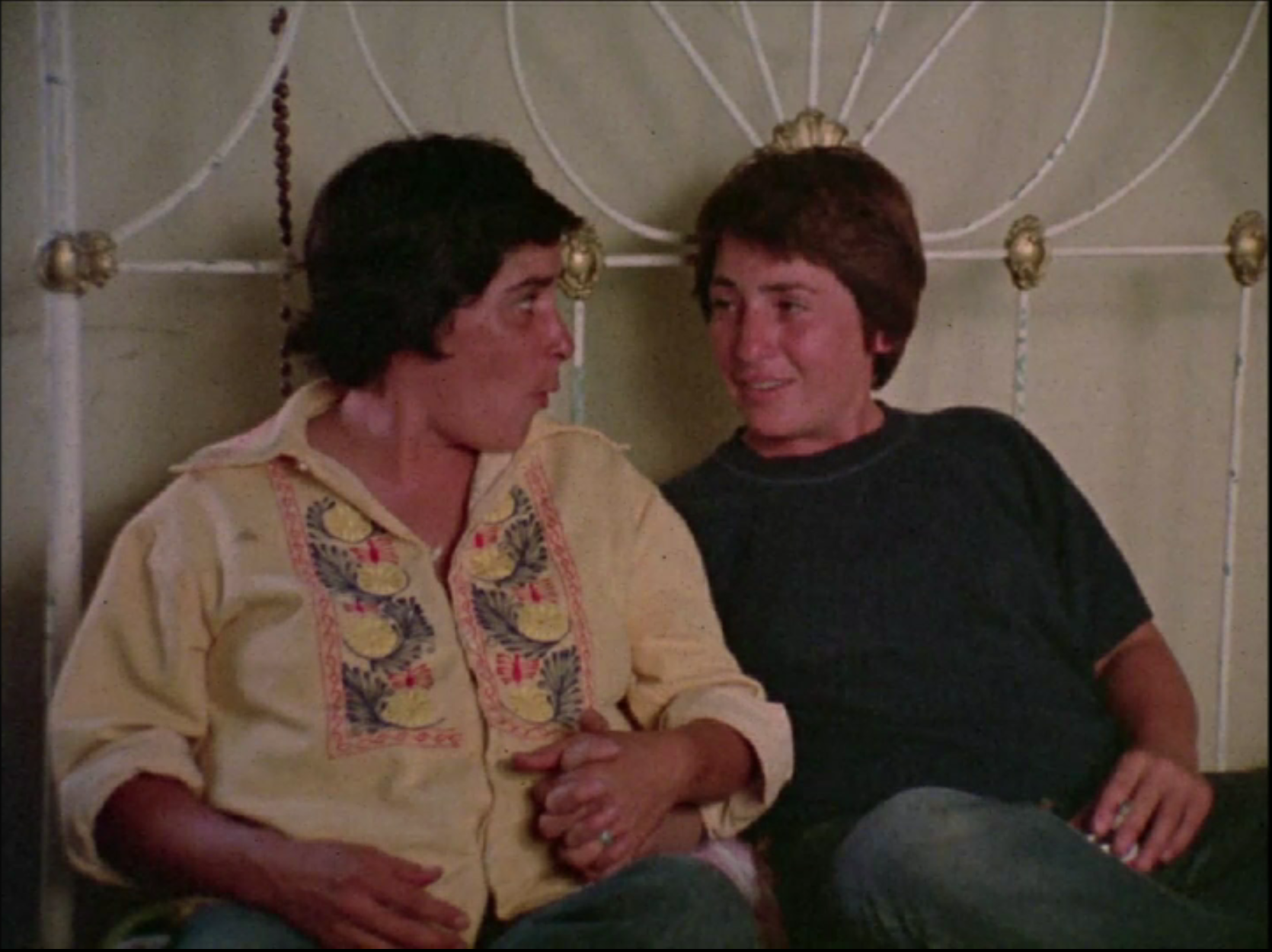
The connections made visible through Word Is Out helped isolated individuals build a community. The film reached national television at a time of mounting opposition to gay rights, from Anita Bryant's 1977 campaign in Florida to California's 1978 Briggs Initiative. A few years later, as AIDS devastated gay men, that community became a source of care, activism, and survival. The shared identity that had taken root helped draw lesbians and gay men together in a powerful response to the crisis.
▴
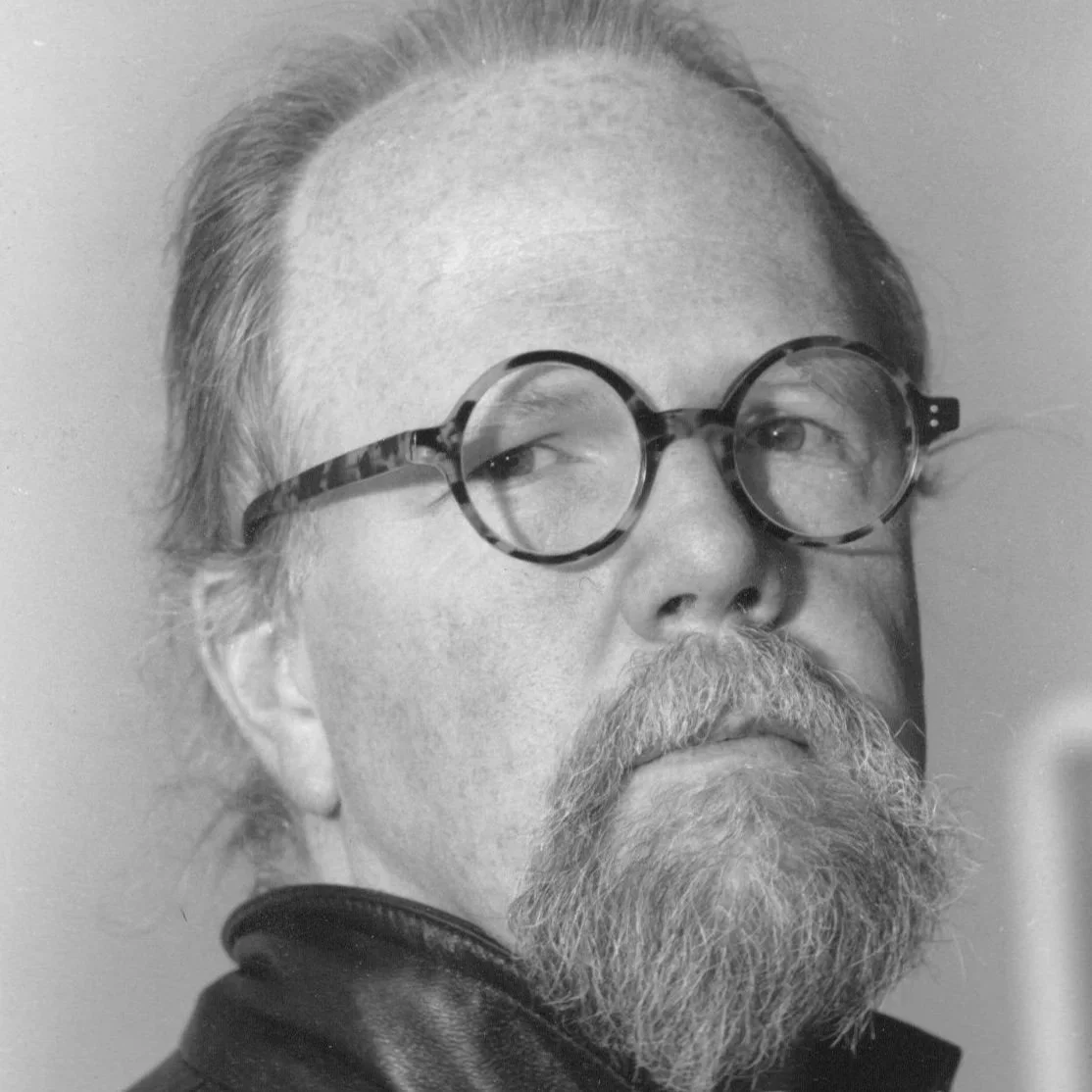
Peter's journey followed a parallel path. An outsider throughout his life, he used filmmaking to build a world around creativity and control, remaining an observer even as he helped other people connect. His HIV diagnosis forced him to confront questions that filmmaking alone could not answer. In Absolutely Positive (1991), Peter broke with his longstanding position behind the camera and spoke openly about his HIV status.
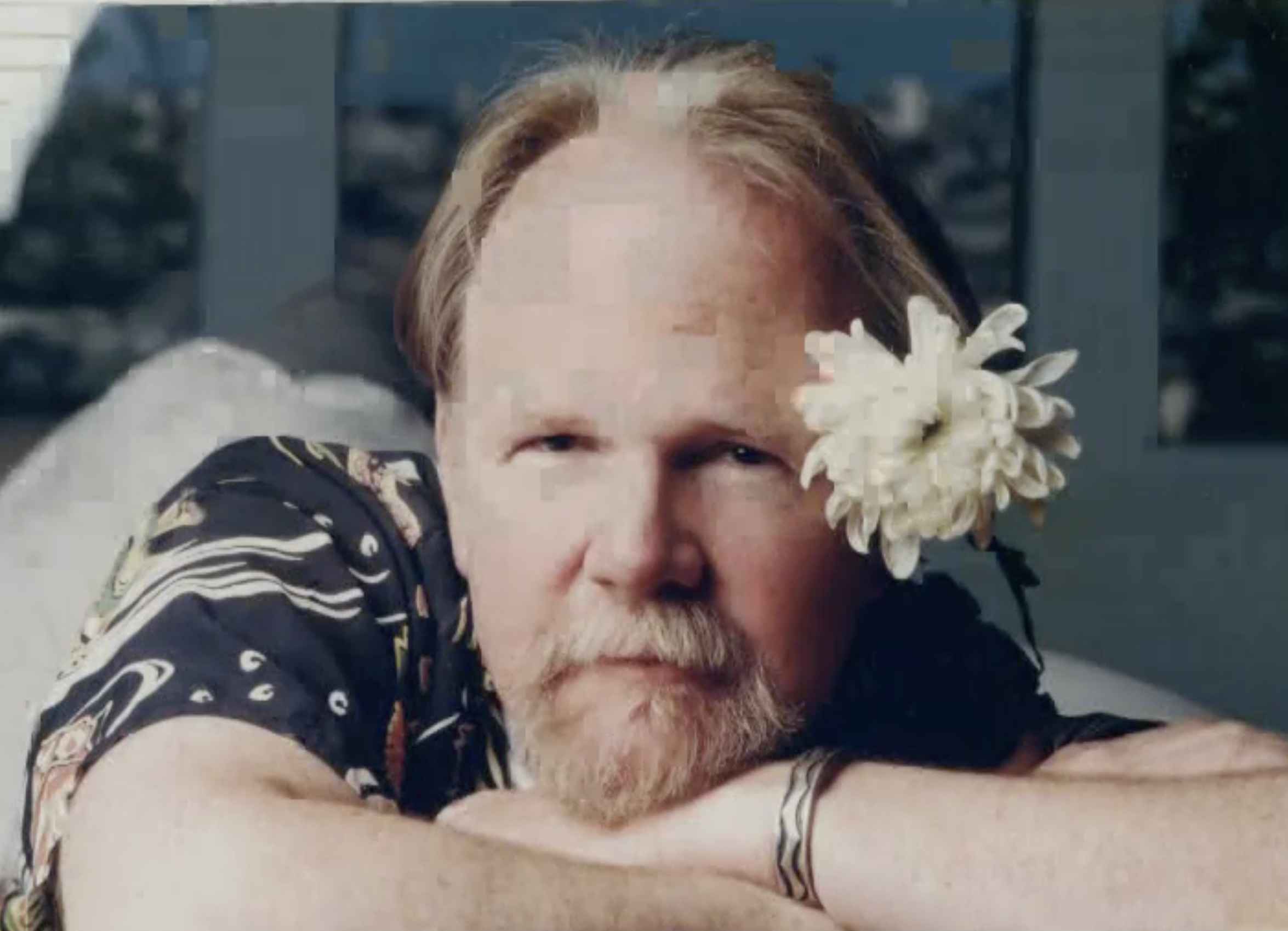
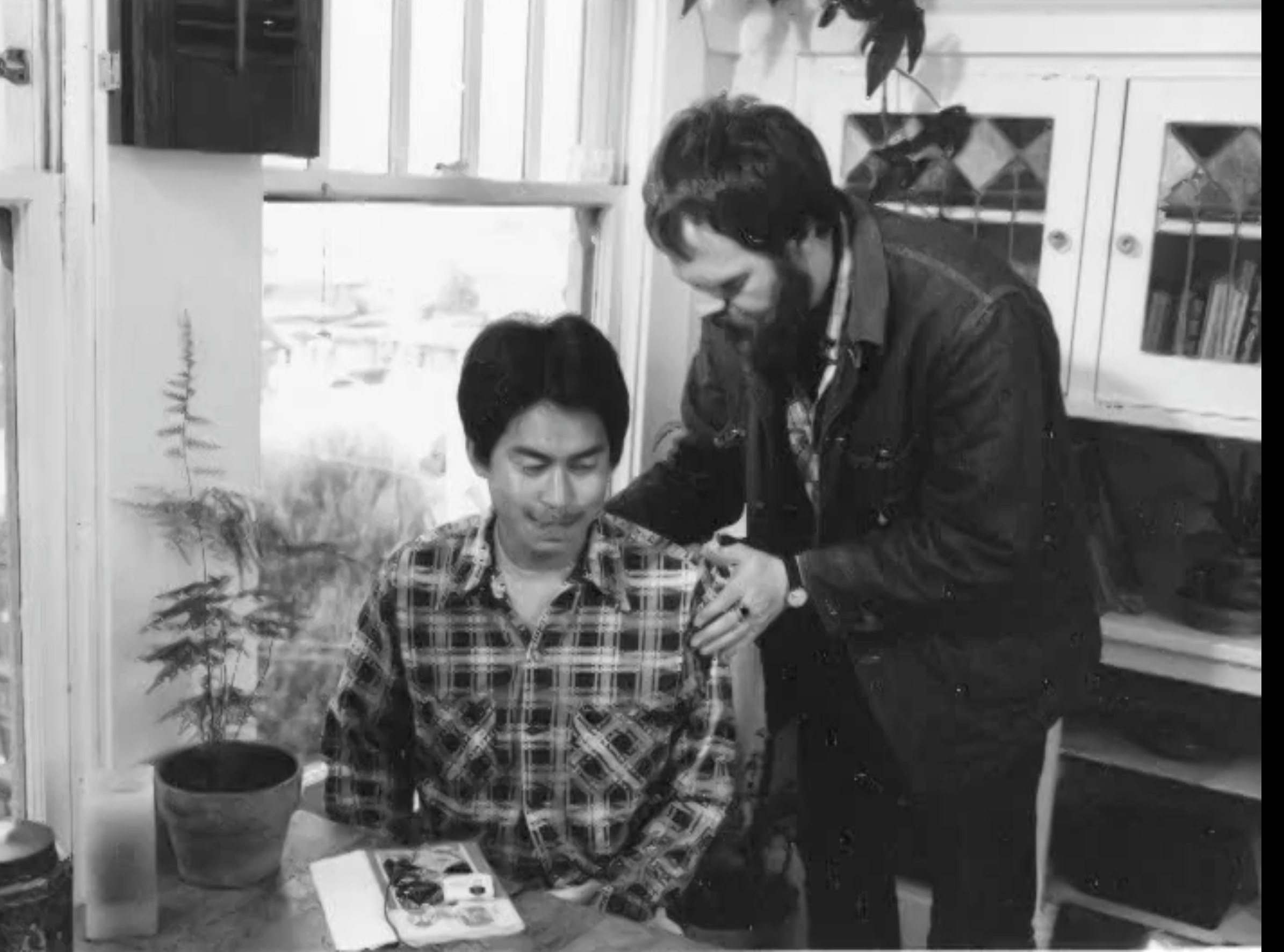
At the same time, he chose to put his partner, Rudy, at the center of a life he had long organized around work. The person who had spent his career creating the conditions for other people to connect ultimately chose to connect fully, as a member of the community he had helped create.
WHY THIS FILM
Peter was not simply a witness to this history. He helped shape it. His personal life brings the larger story close and lets viewers feel what a community went through to see itself, find one another, and survive.
▴
This story needs to be told while the people who lived it can still share their experiences. Help us bring their stories and this history to a new generation.